Short on time? Get the quick version.



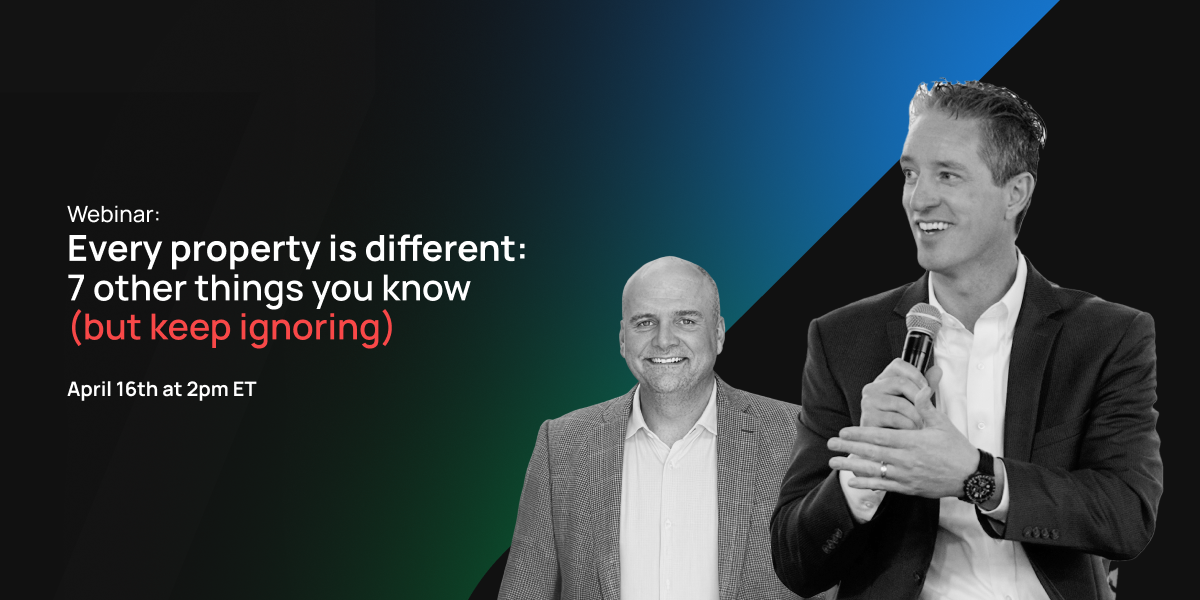
Webinar: Every property is different - and 7 other things you need to know
Featuring: Dave Borden & Marc Cunningham
1. Rental Demand Is Softer. Act Like It.
For years, renting was easy.
You could list a property and expect:
- Immediate interest
- Multiple applicants
- Rising rents
That environment is changing.
Properties are sitting longer. Incentives are getting more aggressive. In some markets, operators are offering extreme promotions just to get leases signed.
But here is the real issue:
Many owner clients still think nothing has changed.
They assume if a property is not renting, it must be:
- The marketing
- The photos
- The property manager
What to do instead
Start educating your owners early and often:
- Share real examples from your market
- Send consistent updates
- Explain what competition is doing
When owners understand the market, pricing conversations become easier and faster.
2. Owner Communication Is Not Optional Anymore
In a tight rental market, communication becomes your biggest asset.
If you are not controlling the narrative, your owners will create their own.
And that usually sounds like:
- “Why is my property not rented yet?”
- “Can we just get better photos?”
- “Let’s wait a little longer before lowering rent.”
What works
Build communication into your process:
- Monthly owner updates
- Market insights baked into statements
- Clear messaging around pricing and demand
The goal is simple:
Make sure your owners are never surprised.
3. Turnover Is More Expensive Than You Think
Every property manager knows turnover is costly.
But in today’s market, it is even more painful.
A single turnover can mean:
- 30 to 60 days of vacancy
- Make-ready expenses
- Lower re-lease pricing
That is a triple hit to revenue.
The shift to make
Treat renewals as a priority, not an afterthought.
- Start renewal conversations earlier
- Be flexible when it makes financial sense
- Focus on keeping good renters in place
Because in this market:
Retention is more profitable than replacement.
4. Every Property Should Not Be Priced the Same
This is one of the biggest disconnects in property management.
We all know:
- Every property is different
- Every owner is different
- Every situation requires a different level of effort
And yet… many companies charge the same fee across the board.
Why that breaks
Some properties:
- Require more communication
- Have more maintenance issues
- Take more time to manage
If pricing does not reflect that, margins shrink.
What to do instead
Move toward dynamic pricing:
- Adjust fees based on complexity
- Charge onboarding or setup fees when appropriate
- Ensure every door is profitable on its own
Because this is critical:
Unprofitable doors do not become profitable just because you have more of them.
5. Bigger Portfolios Are Not Always Better
When a large owner calls, it is tempting to say yes immediately.
More doors. Faster growth. Bigger numbers.
But larger portfolios often come with:
- More demands
- More exceptions
- More pressure on your team
The key discipline
Define your non-negotiables.
You can negotiate:
- Pricing
- Terms
You should not negotiate:
- Your process
- Your standards
- Your control over operations
Growth only works if it is sustainable.
6. Diplomacy Is the Most Important Skill You Have
Property management is not about being right.
It is about making problems go away.
That mindset changes how you approach:
- Tenant issues
- Owner conflicts
- Internal decisions
Sometimes that means:
- Letting go of being “right”
- Choosing resolution over escalation
- Focusing on outcomes, not arguments
Because at the end of the day:
Your value is not in proving a point. It is in solving problems.
7. Your Business Will Take Everything You Give It
This industry is demanding.
Your business will:
- Ask for more time
- Pull your attention constantly
- Follow you home
If you let it.
What successful operators do differently
They create boundaries:
- Build strong teams
- Trust their processes
- Separate work from life when possible
Because long-term success is not just about growth.
It is about building a business that supports your life, not consumes it.
The Bottom Line
None of these ideas are new.
You already know them.
The difference between average and exceptional property management is not knowledge. It is execution.
- Act on the market conditions
- Communicate with purpose
- Price your services correctly
- Protect your time and your team
Because every property is different.
And the companies that recognize that and operate accordingly are the ones that win.